Reference Summary: A discussion technique based on peer feedback helps students delve into complex texts and develop communication skills. The team competition is fierce in this informal assessment activity, in which students have to work together to win.

60 Second Strategy Playing Card Table Groups -

A discussion technique based on peer feedback helps students delve into complex texts and develop communication skills. The team competition is fierce in this informal assessment activity, in which students have to work together to win. A quick formative assessment tool also encourages all students—even shy ones—to participate in discussions.

Important details found

  • A discussion technique based on peer feedback helps students delve into complex texts and develop communication skills.
  • The team competition is fierce in this informal assessment activity, in which students have to work together to win.
  • A quick formative assessment tool also encourages all students—even shy ones—to participate in discussions.
  • This simple technique can help ease students' anxiety about sharing out in class—and make it more fun.
  • A quick, fun classroom activity fosters open dialogue while releasing pent-up energy.

Why this topic is useful

The goal of this page is to make 60 Second Strategy Playing Card Table Groups easier to scan, compare, and understand before opening related resources.

Sponsored

Frequently Asked Questions

What should readers check next?

Readers should check related pages, official references, or updated sources when details matter.

Why are related topics included?

Related topics help readers compare nearby references and understand the broader subject.

What is this page about?

This page summarizes 60 Second Strategy Playing Card Table Groups and connects it with related entries, references, and supporting context.
Related Images

60-Second Strategy: Playing Card Table Groups
60-Second Strategy: Participation Cards
60-Second Strategy: Quick Sorts
Pidro in 60 seconds
60 Second-Strategy: Cooperative Learning Roles
60-Second Strategy: Participation Spinner
60-Second Strategy: Whiteboard Relay
60-Second Strategy: Snowball Toss
60-Second Strategy: Fishbowl Discussion
Sponsored
View Full Details
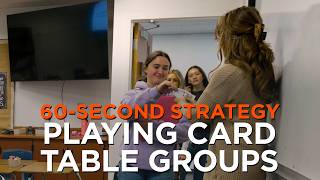
60-Second Strategy: Playing Card Table Groups

60-Second Strategy: Playing Card Table Groups

Read more details and related context about 60-Second Strategy: Playing Card Table Groups.

60-Second Strategy: Participation Cards

60-Second Strategy: Participation Cards

A quick formative assessment tool also encourages all students—even shy ones—to participate in discussions. Subscribe for free ...

60-Second Strategy: Quick Sorts

60-Second Strategy: Quick Sorts

Read more details and related context about 60-Second Strategy: Quick Sorts.

Pidro in 60 seconds

Pidro in 60 seconds

Read more details and related context about Pidro in 60 seconds.

60 Second-Strategy: Cooperative Learning Roles

60 Second-Strategy: Cooperative Learning Roles

Read more details and related context about 60 Second-Strategy: Cooperative Learning Roles.

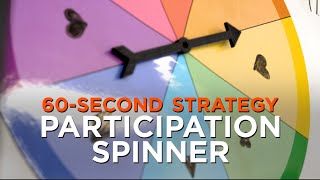
60-Second Strategy: Participation Spinner

60-Second Strategy: Participation Spinner

This simple technique can help ease students' anxiety about sharing out in class—and make it more fun. Create a free account ...

60-Second Strategy: Whiteboard Relay

60-Second Strategy: Whiteboard Relay

The team competition is fierce in this informal assessment activity, in which students have to work together to win. To say students ...

60-Second Strategy: Snowball Toss

60-Second Strategy: Snowball Toss

A quick, fun classroom activity fosters open dialogue while releasing pent-up energy. Subscribe to our free email newsletter ...

60-Second Strategy: Fishbowl Discussion

60-Second Strategy: Fishbowl Discussion

A discussion technique based on peer feedback helps students delve into complex texts and develop communication skills.