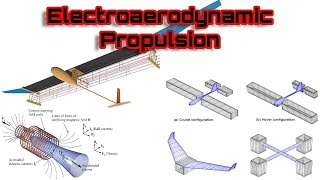
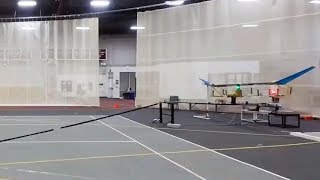
At a Glance: Researchers used high-voltage electrodes to ionize air and accelerate it, the resulting ionic wind produces a thrust force in the ... In this video I show you how to create ionic thrust using electrodynamics to create air flow with no moving parts.
Electroaerodynamic Propulsion Is It Viable -
Researchers used high-voltage electrodes to ionize air and accelerate it, the resulting ionic wind produces a thrust force in the ... In this video I show you how to create ionic thrust using electrodynamics to create air flow with no moving parts. With 4.5 billion passenger trips taken each year and more than 16 million planes taking off annually in the U.S.
Important details found
- Researchers used high-voltage electrodes to ionize air and accelerate it, the resulting ionic wind produces a thrust force in the ...
- In this video I show you how to create ionic thrust using electrodynamics to create air flow with no moving parts.
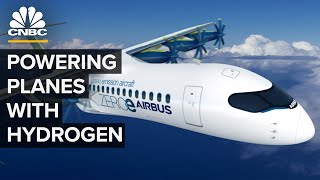
- With 4.5 billion passenger trips taken each year and more than 16 million planes taking off annually in the U.S.
- We'll simplify the inertioid demonstrated by Igor Beletsky and explain how it works.
- Undefined Technologies, a Florida-based startup, announced that its eVTOL ion
Why this topic is useful
This topic is useful when readers need a quick overview first, then want to move into supporting details and related references.
Frequently Asked Questions
Why are related topics included?
Related topics help readers compare nearby references and understand the broader subject.
What is this page about?
This page summarizes Electroaerodynamic Propulsion Is It Viable and connects it with related entries, references, and supporting context.
Is the information always complete?
Not always. Some topics may need verification from official or primary sources.