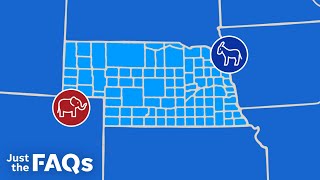
Main Takeaway: The GOP scored 33 more seats in the House this election even though Democrats earned a million more votes in House races. In most states, elected officials draw their own districts, a process that benefits political parties and politicians.
Gerrymandering Explained The Washington Post -
The GOP scored 33 more seats in the House this election even though Democrats earned a million more votes in House races. In most states, elected officials draw their own districts, a process that benefits political parties and politicians. The process of re-drawing district lines to give an advantage to one party over another is called "
Important details found
- The GOP scored 33 more seats in the House this election even though Democrats earned a million more votes in House races.
- In most states, elected officials draw their own districts, a process that benefits political parties and politicians.
- The process of re-drawing district lines to give an advantage to one party over another is called "
Why this topic is useful
The goal of this page is to make Gerrymandering Explained The Washington Post easier to scan, compare, and understand before opening related resources.
Frequently Asked Questions
What should readers check next?
Readers should check related pages, official references, or updated sources when details matter.
Why are related topics included?
Related topics help readers compare nearby references and understand the broader subject.
What is this page about?
This page summarizes Gerrymandering Explained The Washington Post and connects it with related entries, references, and supporting context.