Quick Summary: With food and resources in short supply, civilians had to make do with less so troops on the front lines had enough to fight. At the start of the war, German U-boats began to destroy merchant ships in the Atlantic and the
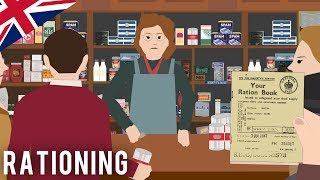
How Ww2 Rationing Shaped Britain -
With food and resources in short supply, civilians had to make do with less so troops on the front lines had enough to fight. At the start of the war, German U-boats began to destroy merchant ships in the Atlantic and the From coupon books to make do and mend tips, IWM curator Simon Offord reveals how
Important details found
- With food and resources in short supply, civilians had to make do with less so troops on the front lines had enough to fight.
- At the start of the war, German U-boats began to destroy merchant ships in the Atlantic and the
- From coupon books to make do and mend tips, IWM curator Simon Offord reveals how
- From June 1941 until 1949 during the Second World War, buying new clothes was
Why this topic is useful
This topic is useful when readers need a quick overview first, then want to move into supporting details and related references.
Sponsored
Frequently Asked Questions
Why are related topics included?
Related topics help readers compare nearby references and understand the broader subject.
What is this page about?
This page summarizes How Ww2 Rationing Shaped Britain and connects it with related entries, references, and supporting context.
Is the information always complete?
Not always. Some topics may need verification from official or primary sources.
Related Images






Sponsored
