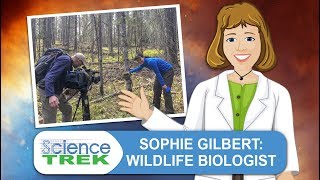
Page Summary: The Earth is our home, but it is made up of many complex systems all working in balance to keep the planet and us alive. Biologists classify into the Kingdoms of Life as part of their job, but they do much more.

Science Trek Zoology -

The Earth is our home, but it is made up of many complex systems all working in balance to keep the planet and us alive. Biologists classify into the Kingdoms of Life as part of their job, but they do much more. Bees play a key role in food production and some bees give us honey in the process.

Important details found

  • The Earth is our home, but it is made up of many complex systems all working in balance to keep the planet and us alive.
  • Biologists classify into the Kingdoms of Life as part of their job, but they do much more.
  • Bees play a key role in food production and some bees give us honey in the process.
  • They live almost everywhere on Earth and play a vital role in the ecosystem.
  • The human body has about 650 muscles and they come in all shapes and sizes.

Why this topic is useful

The goal of this page is to make Science Trek Zoology easier to scan, compare, and understand before opening related resources.

Sponsored

Frequently Asked Questions

What should readers check next?

Readers should check related pages, official references, or updated sources when details matter.

Why are related topics included?

Related topics help readers compare nearby references and understand the broader subject.

What is this page about?

This page summarizes Science Trek Zoology and connects it with related entries, references, and supporting context.

Reference Gallery

Science Trek: Zoology
Science Trek: The Web Show: Zoology
Science Trek shorts: Zoology
Science Trek: Snakes
Sophie Gilbert: Wildlife Biologist | Science Trek
Amphibians: A Double Life | Science Trek
Snakes: Discover Snakes | Science Trek
Science Trek: Muscles
Science Trek: The Earth
Bees: What's the Buzz About Bees | Science Trek
Sponsored
View Full Details
Science Trek: Zoology

Science Trek: Zoology

Read more details and related context about Science Trek: Zoology.

Science Trek: The Web Show: Zoology

Science Trek: The Web Show: Zoology

Read more details and related context about Science Trek: The Web Show: Zoology.

Science Trek shorts: Zoology

Science Trek shorts: Zoology

Read more details and related context about Science Trek shorts: Zoology.

Science Trek: Snakes

Science Trek: Snakes

Snakes have long, scaly bodies with no arms or legs. They live almost everywhere on earth and very few are poisonous. On this ...

Sophie Gilbert: Wildlife Biologist | Science Trek

Sophie Gilbert: Wildlife Biologist | Science Trek

Biologists classify into the Kingdoms of Life as part of their job, but they do much more. Meet Sophie Gilbert, a wildlife biologist, ...

Amphibians: A Double Life | Science Trek

Amphibians: A Double Life | Science Trek

Idaho is home to 37 different kinds of amphibians and reptiles. Amphibians were the first land vertebrates. Once the dominant ...

Snakes: Discover Snakes | Science Trek

Snakes: Discover Snakes | Science Trek

Snakes have long, scaly bodies with no arms or legs. They live almost everywhere on Earth and play a vital role in the ecosystem.

Science Trek: Muscles

Science Trek: Muscles

The human body has about 650 muscles and they come in all shapes and sizes. The muscles are part of the body's muscular ...

Science Trek: The Earth

Science Trek: The Earth

The Earth is our home, but it is made up of many complex systems all working in balance to keep the planet and us alive. Find out ...

Bees: What's the Buzz About Bees | Science Trek

Bees: What's the Buzz About Bees | Science Trek

Bees play a key role in food production and some bees give us honey in the process. Learn more about bees and their very busy ...