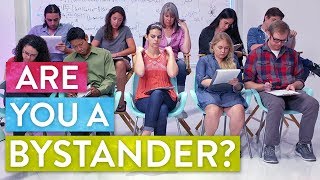
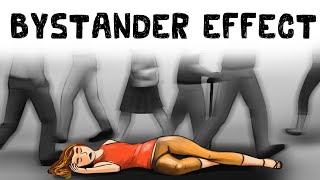
Quick Context: If you suffer a heart attack in a crowd, you would be less likely to get help than if there were only one or two people around you. We'd all like to consider ourselves helpful people, but are we always quick to lend a hand whenever the opportunity arises?
The Bystander Effect -
If you suffer a heart attack in a crowd, you would be less likely to get help than if there were only one or two people around you. We'd all like to consider ourselves helpful people, but are we always quick to lend a hand whenever the opportunity arises? A study published in the American Psychologist suggests there are more Good Samaritans out there than we might think.
Important details found
- If you suffer a heart attack in a crowd, you would be less likely to get help than if there were only one or two people around you.
- We'd all like to consider ourselves helpful people, but are we always quick to lend a hand whenever the opportunity arises?
- A study published in the American Psychologist suggests there are more Good Samaritans out there than we might think.
- How much does the presence of other people affect our willingness to step in when someone needs help?
Why this topic is useful
The goal of this page is to make The Bystander Effect easier to scan, compare, and understand before opening related resources.
Frequently Asked Questions
What should readers check next?
Readers should check related pages, official references, or updated sources when details matter.
Why are related topics included?
Related topics help readers compare nearby references and understand the broader subject.
What is this page about?
This page summarizes The Bystander Effect and connects it with related entries, references, and supporting context.