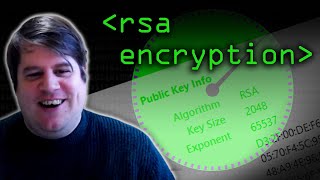
Short Overview: Substitution-permutation networks are the basis for almost all modern symmetric cryptography. RSA is widespread on the Internet, and uses large prime numbers - but how does it work?
Web 3 0 Privacy Computerphile -
Substitution-permutation networks are the basis for almost all modern symmetric cryptography. RSA is widespread on the Internet, and uses large prime numbers - but how does it work? Keeping data anonymous seems easy, but keeping identities separate is a big problem.
Important details found
- Substitution-permutation networks are the basis for almost all modern symmetric cryptography.
- RSA is widespread on the Internet, and uses large prime numbers - but how does it work?
- Keeping data anonymous seems easy, but keeping identities separate is a big problem.
- With data leaks becoming common, people are concerned about protecting their own
- End to end encryption, government ministers are again talking about stopping it.
Why this topic is useful
This topic is useful when readers need a quick overview first, then want to move into supporting details and related references.
Sponsored
Frequently Asked Questions
Why are related topics included?
Related topics help readers compare nearby references and understand the broader subject.
What is this page about?
This page summarizes Web 3 0 Privacy Computerphile and connects it with related entries, references, and supporting context.
Is the information always complete?
Not always. Some topics may need verification from official or primary sources.
Topic Gallery



Sponsored
