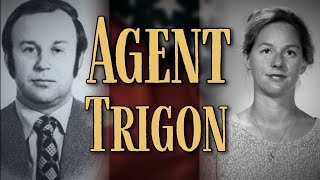
Quick Context: When the Epstein files were released, most people expected more names, more connections, and more proof of elite corruption. A quiet British secretary folds a sheaf of papers into her handbag—a motion so ordinary that history ignored it for forty years.
When A Cold War Spy Goes Nuclear True Life Spy Stories -
When the Epstein files were released, most people expected more names, more connections, and more proof of elite corruption. A quiet British secretary folds a sheaf of papers into her handbag—a motion so ordinary that history ignored it for forty years. Thank you to Zach Dorfman and Project Brazen for providing the channel with an advanced listen of their podcast,
Important details found
- When the Epstein files were released, most people expected more names, more connections, and more proof of elite corruption.
- A quiet British secretary folds a sheaf of papers into her handbag—a motion so ordinary that history ignored it for forty years.
- Thank you to Zach Dorfman and Project Brazen for providing the channel with an advanced listen of their podcast,
- Inside the polite corridors of Whitehall, a hidden enemy was breathing inside the British state itself.
- Nicholas Shadrin, born Nikolai Artamonov, was a high-ranking Soviet naval officer who made a
Why this topic is useful
This format is designed to help readers move from a broad question into more specific pages without losing context.
Frequently Asked Questions
What is this page about?
This page summarizes When A Cold War Spy Goes Nuclear True Life Spy Stories and connects it with related entries, references, and supporting context.
Is the information always complete?
Not always. Some topics may need verification from official or primary sources.
How should readers use this information?
Use it as a starting point, then open related pages for more specific details.